
Overt displays of physical machismo is the stamp of the strongman and it's a symptom that manifests itself in direct proportion to their sense of insecurity, says Kanika Datta.

Apple's online launch is a symbol of success for FDI in single-brand retail, though there's no indication of how much the Silicon Valley major would invest in the country.

The centrality of idle office chitchat has only recently come to be acknowledged by executives as they jettison their access cards and work from home in larger numbers, notes Kanika Datta.

Indian Matchmaking has clearly been produced to pander to Western audiences's awful fascination with the institution of arranged marriage, notes Kanika Datta.

SEZs account for just about a third of India's merchandise exports (and roughly the same proportion of services exports). Yet, the notion of creating global manufacturing centres of the kind that propelled China to superpowerdom retains a durable appeal within the Indian policy-making establishment, notes Kanika Datta.

Jack Ma who had five years ago said he was inspired and excited by "Make in India" possibly understood the essence of the signature campaign better than some others and decided to stay away from India other than as an investor, says Nivedita Mookerji.

Although Walmart-Flipkart wholesale game-plan is to target about a $150 billion market out of a total pie of $700 billion in the country, the consolidation marks the end of the multi-brand dream of the American retail giant.

A hot sale of a Chinese product, whether assembled in India or anywhere else in the world, may make the country of origin rule fall by the wayside. Moreover, its execution is challenging for businesses as there are no clear guidelines or definitions from the authorities on what constitutes 'country of origin'.

'I'm not surprised with what's happening in India,' 'Tiger' Tyagarajan tells Nivedita Mookerji.

'It's the brazen corruption involving politicians that makes you sit up years after the event,' notes Nivedita Mookerji after reading B K Syngal's Telecom Man.
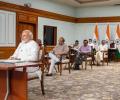
Nivedita Mookerji goes in search of the elusive war room to track and respond to the coronavirus threat.
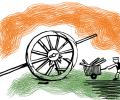
'If the government was serious about co-opting the corporate sector meaningfully in the fight against COVID-19, it could have specified activities beyond cheque-writing,' notes Kanika Datta.

A single format and simpler, uniform rules would have kept the service going. In other parts of the world including in the US, managing demand and capacities along with ensuring preventive measures were an issue, but there was hardly any administrative hurdle anywhere.

In the last one week several companies have had to face the hurdle of making a distinction between what's essential and what's not. To help them the government has now clarified that grocery would include hygiene products such as hand wash, soaps, disinfectants, body wash, shampoo, surface cleaners, detergents, tissue paper, toothpaste, oral care, sanitary pads, diapers, chargers and battery cells, etc.

Changing with the times and in compliance with social distancing norms, customers are now picking up their parcels, speed posts and registered letters within the city themselves after they are informed on phone.

'All these incidents go to show that the day of the anodyne, apolitical corporation is running out fast,' says Kanika Datta.

If the finance minister's tax proposals have stimulated demand at all, it's for CAs, notes Kanika Datta.

For 80 years, news and views aired on BBC Hindi reached audiences in the remotest parts of the country. For millions of its followers, the signature line -'yeh BBC hai (this is BBC)' -- has been like a morning alarm, and the bulletins a vital link between India and the world. That link, which began when there was no mobile phone or internet, is about to break as the radio service will fall silent after January 31. And for many living in smaller towns and in rural areas, life won't be the same again, writes Nivedita Mookerji.
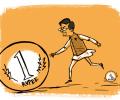
Piyush Goyal's comments about Amazon founder Jeff Bezos's investment in India reveals an inability to understand how businesses function, says Kanika Datta.

'It is inconceivable that there are no gays working in Indian corporations but obviously, the subject remains taboo enough in the workplace for those of alternate sexual orientation to feel safer remaining in the closet,' notes Kanika Datta.
 © 2025 Rediff.com - Investor Information - Advertise with us - Disclaimer - Privacy Policy - Sitemap - Feedback - About us - Terms of use - Grievances